
Blog

Your blog category

A high-grade pile of whole, light W320 cashew nuts on a wooden surface, representing wholesale quality.

The Science-Backed Health Benefits of Cashew Nuts

Introduction: Unlocking the Appeal of the Beloved Cashew Nut The cashew nut, with its distinctive kidney shape and delicate, creamy flavor, is a globally cherished ingredient. It holds a prominent place in snack bowls, culinary creations, and plant-based diets alike. Yet, beyond its immediate appeal lies a fascinating story of botanical peculiarity, historical migration, and profound nutritional value. This crescent-shaped seed is far more than a simple snack; it is a nutritional powerhouse and a testament to nature’s intricate design, originating from a tropical evergreen tree with a unique and complex anatomy. A Global Favorite: Why Cashews Captivate Taste Buds The allure of the cashew is multifaceted. Its rich, buttery texture and mildly sweet taste make it exceptionally versatile. Unlike the more assertive flavors of walnuts or almonds, the cashew’s subtlety allows it to complement both savory and sweet dishes without overpowering them. This adaptability has cemented its status as a staple in cuisines worldwide, from the rich curries of India to the innovative vegan cheeses of Western kitchens. As a standalone snack, whether roasted, salted, or raw, it offers a satisfying crunch and a rich mouthfeel that is both comforting and indulgent. What to Expect: A Comprehensive Journey into the World of Cashews This article provides a comprehensive exploration of the cashew nut. We will journey from its botanical origins in the tropics to its current status as a global commodity. We will dissect its unique anatomy, from the vibrant cashew apple to the prized kernel within. Furthermore, we will delve into its detailed nutritional profile, uncover the science-backed health benefits it offers, explore its vast culinary applications, and provide practical guidance on selecting and storing cashews to preserve their quality and flavor. Understanding the Cashew: Botanical Background and Origins To truly appreciate the cashew, one must understand its unique place in the plant kingdom and its remarkable journey across continents. More Than Just a Nut: A Botanical Deep Dive The cashew ‘nut’ is botanically a seed, which grows inside a hard shell attached to the bottom of the fleshy cashew apple. Despite its common classification, the cashew is not a true botanical nut. It is, in fact, the seed of a drupe that grows on the Anacardium occidentale tree, a member of the sumac family which also includes mangoes and pistachios. The tree itself is a tropical evergreen that can grow up to 14 meters tall, thriving in warm, humid climates. The part we consume is a single seed housed within a hard, kidney-shaped shell that hangs at the bottom of a fleshy, pear-shaped accessory fruit known as the cashew apple. This unusual arrangement makes the cashew a botanical curiosity and sets it apart from true nuts like hazelnuts or chestnuts, which are the complete fruit of the plant. The Unique Anatomy of the Cashew: From Fruit to Kernel The structure of the cashew is complex, consisting of three distinct parts: the cashew apple, the shell, and the edible kernel. The Cashew Apple (Cashew Fruit): A Forgotten Delicacy Attached to the top of the cashew shell is the cashew apple, a brightly colored (red or yellow) pseudo-fruit. This fleshy, pear-shaped structure is not a true fruit but rather the swollen stalk, or peduncle, of the cashew flower. The cashew apple is juicy and sweet with a distinct astringent taste. While highly perishable and thus rarely seen outside of its growing regions, it is used locally to make jams, juices, and fermented beverages. Its high vitamin C content makes it a nutritious, albeit secondary, product of the cashew tree. The Cashew Nut Shell: Nature’s Protective Barrier The cashew seed, or what we call the nut, is encased in a double-layered shell. This shell contains a potent, caustic phenolic resin known as cashew nut shell liquid (CNSL), which includes anacardic acid. This substance is a powerful skin irritant, similar to the oil found in poison ivy. This is why cashews are never sold in their shells to consumers. The processing of raw cashews is an intricate, labor-intensive task that involves roasting or steaming the shell to neutralize the toxic liquid before the kernel can be safely extracted. The Edible Cashew Kernel: The Treasure Within Once meticulously extracted from its protective shell, the kidney-shaped kernel is the prize. This is the cashew nut known and loved worldwide. It has a thin, papery skin (the testa) that is typically removed before packaging. The kernel’s firm yet tender texture and rich, creamy flavor are the result of its high content of oils, primarily healthy unsaturated fats, which contribute to its culinary versatility and nutritional benefits. The Nutritional Powerhouse: A Detailed Profile of Cashew Nuts Cashews offer a dense concentration of essential nutrients, making them a valuable addition to a balanced diet. Macronutrients for Sustained Energy and Building Blocks Cashews are calorically dense, providing substantial energy primarily from fats and protein. A 1-ounce (28g) serving contains approximately 157 calories. The majority of its fat content consists of heart-healthy monounsaturated and polyunsaturated fats, including oleic acid—the same beneficial fat found in olive oil. Cashews are also a good source of plant-based protein, offering about 5 grams per ounce, which is crucial for muscle repair and overall bodily function. Their carbohydrate content is relatively low, and they provide dietary fiber, which aids in digestion and promotes a feeling of fullness. Essential Vitamins and Minerals for Optimal Health Where cashews truly excel is in their micronutrient profile. They are an exceptional source of essential minerals. They are particularly rich in copper, which is vital for energy production, iron metabolism, and the formation of red blood cells. They also provide a significant amount of magnesium, crucial for over 300 enzymatic reactions in the body, including nerve function, blood pressure regulation, and bone health. Other key minerals found in abundance include manganese, phosphorus, zinc, and selenium, each playing a critical role in maintaining optimal physiological function. Antioxidants and Phytochemicals: Protecting Your Cells Cashews contain a variety of powerful antioxidants, including polyphenols and carotenoids. These compounds help neutralize harmful

The Science-Backed Health Benefits of Cashew Nuts Read More »

Blog

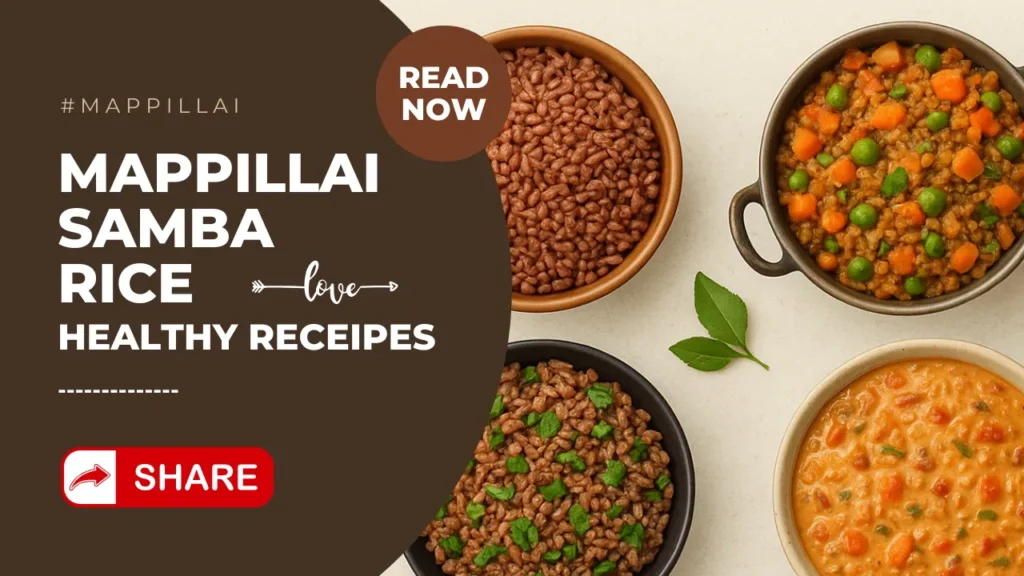
Mappillai Samba Rice & Diabetes: 8 Healthy Receipes + Glycemic Facts

Mappillai Samba Rice & Diabetes: Glycemic Index, Portion Sizes & What Research Says If you’ve ever wondered whether traditional red rice like Mappillai Samba Rice is suitable for diabetics, you’re not alone. As more people look for natural and traditional food options to manage blood sugar, mappillai samba rice diabetics is becoming a hot topic. This heirloom rice—known in Tamil as மாப்பிள்ளை சம்பா அரிசி—was once the choice of Tamil warriors and grooms (“Mappillai” means groom). It’s famous for its energy-boosting, high-fiber, and iron-rich profile. But what does that mean for someone with diabetes? Let’s explore. Understanding Mappillai Samba Rice Glycemic Index When it comes to diabetes, the glycemic index (GI) is crucial. It measures how fast your food raises blood sugar. Refined white rice has a GI of 70–90 (high), while traditional red rices like Mappillai Samba Boiled Rice fall in the medium GI range (50–60) depending on cooking method and portion. Why this matters: Medium-GI foods cause a gradual rise in blood sugar, helping to prevent spikes and crashes. In my experience, many of my diabetic clients switched to boiled Mappillai Samba Rice and noticed better satiety and stable sugar levels—especially when paired with veggies, protein, or ghee. Mappillai Samba Rice Benefits – Portion Control: The Secret for Diabetics Even healthy rice can raise sugar levels if you overeat. Here’s a simple approach that works: ½ cup cooked rice = one serving Pair with dal, curd, or leafy vegetables Add 1 tsp ghee for slower glucose absorption Avoid mixing with sugary gravies As a nutrition tip, cooking the rice, cooling it for a few hours, and reheating it slightly before eating increases its resistant starch—which improves digestion and lowers GI naturally. Simple Recipes with Mappillai samba Rice One of the best parts of this rice is its versatility. You can use it in almost every South Indian recipe. Here are some popular ideas: Mappillai Samba Rice Kanji Recipe A comforting, gut-friendly breakfast: – Soak rice overnight – Pressure cook with 5 cups water until soft – Mash lightly, add salt and a spoon of curd – Optional: mix with buttermilk, cumin, and grated coconut Perfect for diabetic mornings—light, low-GI, and hydrating. Mappillai Samba Dosa Soak 2 cups of Mappillai Samba rice with ½ cup urad dal for 5–6 hours. Grind to a smooth batter, ferment overnight, and make crispy dosas. Rich in fiber, they digest slowly and keep you full longer. Mappillai Samba Idli The same batter works for idlis too. Steam for 10–12 minutes and enjoy soft, earthy idlis that taste wholesome and slightly nutty. Pair with chutney made from coconut or flaxseed for added health benefits. Mappillai Samba Boiled Rice Bowls Combine boiled Mappillai Samba rice with: – Sautéed veggies – Paneer or grilled tofu – Lemon & pepper dressing A wholesome diabetic-friendly lunch bowl with balanced macros. Mappillai Samba Vegetable Pulao Cook rice with cumin, cinnamon, carrots, beans, and peas. Add ghee instead of oil—it not only enhances flavor but also slows glucose release. Mappillai Samba Pongal Try a fiber-rich version: rice + moong dal + pepper + ghee. A balanced dish for breakfast or dinner that keeps blood sugar stable. Mappillai Samba Rice Upma Coarsely grind raw rice and roast lightly. Cook with onions, curry leaves, and green peas for a hearty, semi-solid meal. Mappillai Samba Payasam (for occasional indulgence) Use palm jaggery instead of sugar. Add grated coconut and cardamom. Though it’s a treat, portion control is key—½ small cup is enough! Mappillai Samba Rice & Diabetics – How it works? Here’s why Mappillai Samba Boiled Rice is a smart swap for white rice: Rich in fiber – Slows glucose absorption. Contains iron, zinc, and magnesium – Supports metabolism and insulin sensitivity. Unpolished – Keeps bran intact, which regulates digestion. Boosts stamina – Ideal for people managing fatigue caused by diabetes. Low in gluten – Gentle on digestion. My uncle, a type 2 diabetic, started using this rice thrice a week. His post-meal sugar levels dropped by 20–25 mg/dl after a month—without medication changes. Real food can truly help. Cooking Tips for Better Glycemic Balance When you cook Mappillai Samba rice, keep these tips in mind: Soak overnight for 8 hours before cooking. Use the boiled rice variety—it’s softer and more digestible. Add a drizzle of cold-pressed sesame oil while serving for enhanced nutrition. Avoid pairing with sweet gravies; instead use fiber-rich sides like greens or rasam. Research Insights: Mappillai Samba Boiled Rice for Modern Health Emerging studies suggest that traditional red rice varieties in india like Mappillai Samba, Kullakar, and Poongar contain phenolic compounds that exhibit antioxidant and anti-diabetic activity. Research published by Tamil Nadu Agricultural University found that these rices have lower amylose content and higher resistant starch, both linked to better blood sugar control. In simpler terms, your grandmother’s rice choices make perfect sense even today. Frequently Asked Questions – Mappillai Samba Boiled Rice   Can diabetics eat Mappillai Samba rice daily? Yes, in moderation—½ to 1 cup cooked per meal is safe if balanced with veggies and protein. Is Mappillai Samba rice better than white rice for diabetes? Absolutely. It has a lower glycemic index and higher fiber content. Does Recipes with Mappillai Samba rice taste different? Yes, it has a mildly earthy and nutty flavor—perfect for traditional dishes. How to cook Mappillai Samba rice soft? Soak overnight and cook in a pressure cooker for 4–5 whistles with more water. Can I get Mappillai samba Rice benefits by using for idli or dosa with this rice? Yes, mappillai samba rice uses in idli dosa are common in Tamil households. Is Mappillai Samba rice gluten-free? Naturally, yes. It’s a great choice for gluten-sensitive diets. What is the shelf life of this rice? Stored in airtight containers, it lasts up to 6 months. How to reduce its mappillai samba rice glycemic index further? Cook, cool, and refrigerate the rice before reheating—it increases resistant starch. Is it suitable for kids? Definitely! It’s nutrient-rich and builds stamina naturally. Where can I buy original

Mappillai Samba Rice & Diabetes: 8 Healthy Receipes + Glycemic Facts Read More »

Blog
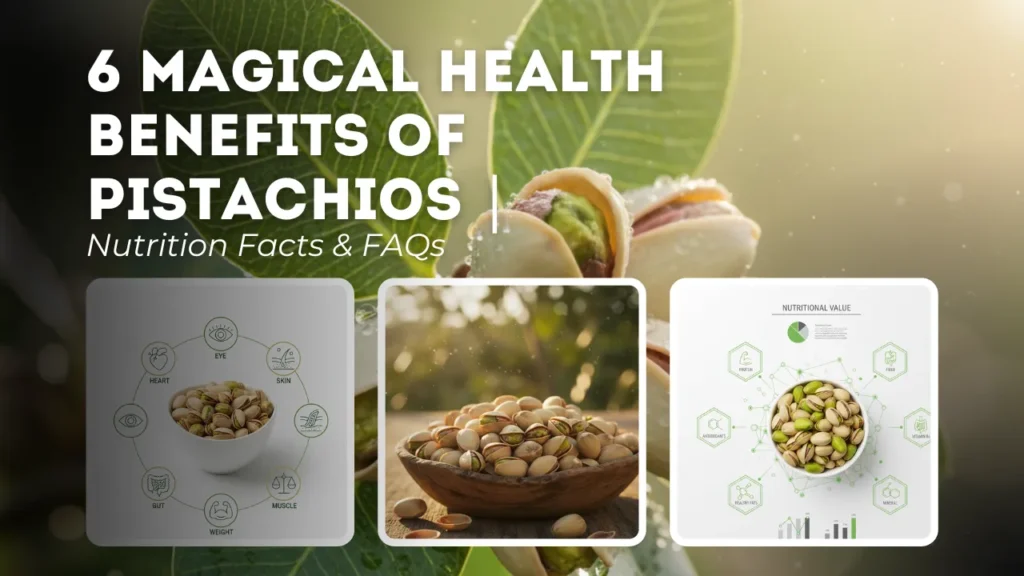
Six magical health benefits of pistachios for heart, gut health, and weight management. A handful of shelled and unshelled bright green pistachio nuts is displayed next to a table of pistachio nutrition facts, including protein, fiber, and healthy fats.

6 Magical Health Benefits of Pistachios | Nutrition Facts & FAQs

6 Magical Health Benefits of Pistachios: A Comprehensive Guide When it comes to mindful snacking, few nuts carry the sheer elegance and nutritional power of the humble pistachio. Packed with color, flavor, and wellness, these vibrant green kernels are not just a treat for the palate—they’re a treasure for your health. Before we explore the six magical health benefits of pistachios, let’s uncover a few key pistachio nutrition facts that make them a favorite among dietitians and fitness lovers alike. Pistachio Nutrition Facts & Health Insights One serving (about 28 grams or 49 pistachios) offers: Calories: 160 Protein: 6g Healthy fats: 13g (mostly monounsaturated and polyunsaturated fats) Fiber: 3g Vitamin B6: 28% of Daily Value Thiamine, Phosphorus, and Copper: High concentrations These impressive pistachio health facts explain why they’re often called the “smart snack of nature.” But you may wonder — can pistachios make you gain weight? The answer might surprise you. Pistachios are rich in healthy fats and fiber that promote satiety, meaning you feel full faster. When eaten mindfully (around 30–40 nuts), they actually support weight management instead of causing gain. Studies even show that pistachios can reduce belly fat and improve metabolic health when consumed as part of a balanced diet. Now, you might compare them with other nuts — pistachios vs almonds vs cashews — which one is best? While almonds boast more calcium and cashews deliver creaminess, pistachios win for protein-to-calorie ratio and antioxidant richness. Plus, they contain lutein and zeaxanthin, two eye-protective compounds rarely found in other nuts. So, what are the benefits of pistachio nuts that make them truly magical? Let’s dive deeper. 1. Heart Health Hero Pistachios are loaded with monounsaturated fats that help lower bad cholesterol (LDL) while improving good cholesterol (HDL). Regular intake can reduce arterial stiffness, improving blood flow and heart rhythm. In Ayurveda and modern nutrition alike, pistachios are recognized for their “Sattvic” energy — nourishing yet light on the body.  A handful a day can keep your heart young, strong, and happy. 2. Natural Protein Source for Muscle & Energy For fitness lovers and vegetarians, pistachios are a complete protein powerhouse. They contain all nine essential amino acids, making them perfect for muscle recovery, energy metabolism, and post-workout refueling. They’re also rich in iron and magnesium, improving oxygen delivery and reducing fatigue during long workdays or intense gym sessions. 3. Eye Protection & Skin Glow Your daily screen time can damage your eyes. Pistachios come to the rescue! They are one of the richest natural sources of lutein and zeaxanthin, antioxidants that protect against blue light and age-related macular degeneration. Their Vitamin E and B6 content also boosts collagen, helping you achieve a natural skin glow — and reducing dark circles and dullness. 4. Brain and Mood Booster Pistachios aren’t just brain food — they’re mood food! They enhance gamma-aminobutyric acid (GABA) levels, which help calm the nervous system and improve focus. The B6 in pistachios supports serotonin production, reducing anxiety and promoting emotional balance. “Snack on pistachios when you need clarity, calm, and creativity.” 5. Blood Sugar & Diabetes-Friendly With a low glycemic index and high fiber, pistachios stabilize blood sugar levels, making them a perfect nut for diabetics or those with insulin resistance. Research published in Nutrition Journal shows that pistachios improve glycemic control and reduce inflammation markers. 6. Gut Health & Immunity Enhancer A healthy gut equals a stronger body. Pistachios are rich in prebiotics that feed beneficial gut bacteria, improving digestion and immune response. The antioxidants in pistachios also help detoxify cells, reducing oxidative stress caused by pollution, stress, or processed foods. Quick Summary: 6 Magical Health Benefits of Pistachios Benefit Key Nutrient Result Heart Health Healthy fats Lower LDL, better HDL Muscle Strength Protein, Iron Recovery & energy Eye & Skin Health Lutein, Vit E Brighter skin, sharper vision Brain & Mood B6, GABA Focus & calm Diabetes Support Fiber, Low GI Stable blood sugar Gut & Immunity Prebiotics Strong digestion & defense FAQs About Pistachios Can pistachios make you gain weight? No — unless eaten in large, uncontrolled amounts. A handful (30–40 nuts) provides healthy fats that improve metabolism. They’re one of the best snacks for weight control. Are roasted pistachios healthy? Yes! Dry-roasted pistachios retain most nutrients. Just avoid heavily salted or oil-fried versions to keep sodium in check. Are pistachios good for skin and hair? Absolutely. Vitamin E and antioxidants in pistachios boost collagen, giving smoother skin and stronger hair follicles. Which is better — pistachios vs almonds vs cashews? Each has unique benefits: Pistachios: More antioxidants, lutein, and fiber. Almonds: Higher calcium for bone health. Cashews: Creamy texture and zinc-rich. Choose pistachios for eye, skin, and heart benefits. Can I eat pistachios daily? Yes, nutritionists recommend 30g daily (around 40 pistachios) as part of a healthy routine. Do pistachios help in sleep? Yes. They naturally contain melatonin, which helps regulate your sleep cycle. What are the benefits of pistachio nuts in Ayurveda? In Ayurveda, pistachios are considered “Vata-balancing” — they calm the mind, improve digestion, and enhance Ojas (vital energy). They are often suggested in winter or dry seasons to nourish the skin and nerves. Are pistachios good for people with diabetes? Yes. Their low glycemic index and magnesium help manage insulin levels effectively. Do pistachios contain cholesterol? No. Pistachios are cholesterol-free and may help reduce bad cholesterol naturally. How to Add Pistachios to Your Daily Diet Sprinkle crushed pistachios over yogurt, oats, or smoothie bowls Add them to your salad for a satisfying crunch Blend into homemade pistachio butter Use in desserts like pistachio kheer or energy bars Snack on raw or lightly roasted pistachios between meals Your Health’s Love Every handful of pistachios you eat is more than a snack —  it’s a step toward balance, beauty, and better health. Each nut whispers the story of nature’s brilliance — a blend of taste, color, and vitality that nourishes from within.Choose consciously. Snack smartly. Live vibrantly. If you believe in wellness that tastes good, make pistachios

6 Magical Health Benefits of Pistachios | Nutrition Facts & FAQs Read More »

Diet & Nutrition, Blog

Palm Candy Crystals for Diabetes | Low Glycemic Sweetener

Palm Candy Crystals for Diabetes – A Path to a Healthy Lifestyle It all started with a cup of tea. For years, Ramesh, a 52-year-old teacher from Chennai, began his mornings with a strong filter coffee sweetened with refined white sugar. But after being diagnosed with Type 2 diabetes, that simple pleasure turned into guilt. Every teaspoon of sugar felt like a step backwards in his health journey. One day, while visiting his hometown, his grandmother suggested, “Why not try karupatti kallu sakkarai — palm candy crystals?” Sceptical but curious, Ramesh replaced his refined sugar with Organic Palm Candy, also known as palm candy crystals (பனங்கற்கண்டு), and noticed something remarkable. His tea still tasted delicious — naturally sweet but not overpowering — and over time, his energy levels stabilised without the mid-day sugar crash. That’s when he realised: sometimes, the healthiest changes come from going back to our roots. Why Natural Sweetener Alternatives Are Diabetic-Friendly Palm candy crystals — often called “Panam Kalkandu” in South India — are made from the sap of the Palmyra or Date palm tree. Unlike refined sugar, which is stripped of nutrients, palm candy retains trace minerals such as iron, magnesium, potassium, and zinc, making it a nutrient-rich palm candy option. What truly makes them special for people with diabetes is their low glycemic index (GI). Foods with a lower GI release glucose slowly into the bloodstream, helping prevent sudden spikes in blood sugar. This makes low glycemic palm candy sweetener is an ideal choice for those looking for a diabetes-free sugar option that still satisfies a sweet tooth. In India, sugar alternative palm candy crystals are gaining popularity as a Natural Sweetener alternatives among diabetics and health-conscious families alike. When used in moderation, they serve as a wholesome way to add mild sweetness to food without the harmful effects of refined sugar. Many nutritionists in India recommend palm candy as a better choice for diabetes management than white sugar or artificial sweeteners. It’s not just about the sweetness — it’s about balance, nutrients, and how your body processes it. Health Benefits for Blood Sugar Control If you’re wondering whether palm candy crystals can really make a difference, the answer lies in both tradition and science. Here’s why they work: Low Glycemic Palm Candy Sweetener: Palm candy releases glucose slowly, providing sustained energy instead of a quick spike and crash. This steady release helps maintain better blood sugar control throughout the day. Rich in Essential Minerals: Unlike processed sugar, palm candy crystals contain iron, magnesium, and potassium, which support energy production and improve metabolism. Nutrient-rich palm candy crystals iron magnesium help your body use glucose efficiently and maintain a healthy insulin response. Natural Source of Antioxidants: The trace minerals and antioxidants in palm candy may reduce oxidative stress, which is often linked to insulin resistance and inflammation in diabetic patients. Gentle on the Digestive System: Palm candy’s natural enzymes can help improve digestion and support gut health — a crucial aspect of metabolic balance. A Satisfying Natural Sweetener Alternatives: Because palm candy has a deeper, more complex flavor than refined sugar, people often use smaller portions to get the same level of satisfaction — another bonus for sugar-conscious eaters. When compared to refined white sugar or jaggery, Natural sweetener alternatives like palm candy, Palm Jaggery, Cane sugar, Jaggery Balls sits comfortably in the middle: it’s less processed than sugar, but more mineral-rich and stable than White sugar in terms of its impact on glucose levels. Recommended Portions for Diabetic Diets Even though Organic Palm Candy is a diabetic-friendly sweetener, portion control is still key. For diabetics or those monitoring their sugar intake: Limit palm candy to 1–2 teaspoons per serving, ideally not exceeding 1–2 tablespoons per day. Pair it with fiber-rich foods (like oats, millets, or fruit) to further slow glucose absorption. Avoid combining it with other sugary ingredients in the same meal. Remember, even a Natural sweetener alternatives can raise blood sugar if consumed in excess. The goal isn’t to eliminate sweetness — it’s to balance it with mindful choices. Recipes Suitable for Diabetes The beauty of palm candy is its versatility. You can easily substitute it in your favorite dishes without losing taste or tradition. Wondering how to use palm candy crystals in desserts? Here are a few ideas: Palm Candy Herbal Tea (Panam Kalkandu Paal): A soothing evening drink made with milk, tulsi leaves, and a small piece of palm candy. It calms the nerves and helps digestion after meals. Oats Porridge with Palm Candy: Replace sugar with low glycemic palm candy sweetener for a nourishing breakfast. Add cinnamon and chopped almonds for a warm, healthy touch. Palm Candy Fruit Custard: Mix palm candy syrup into chilled custard made with low-fat milk and seasonal fruits. It’s light, tasty, and gentle on blood sugar. Palm Candy Lassi or Smoothies: Blend yogurt with palm candy, a dash of cardamom, and chia seeds for a protein-rich, gut-friendly drink. Baked Delights: Try using powdered palm candy in small amounts in cookies or muffins for a healthier alternative. It caramelizes beautifully and adds depth to your bakes. These recipes bring together comfort and care — proving that even for diabetics, sweetness can be a part of life when you choose the right ingredients. FAQ Section 1. Is palm candy/palm sugar suitable for diabetics? Yes, in moderation. Palm candy has a low glycemic index and is rich in minerals like iron and magnesium, which makes it a better alternative to refined sugar. However, diabetics should use it sparingly and monitor their blood sugar response. 2. What are the benefits and risks of palm candy for blood sugar control? Benefits include steady glucose release, improved metabolism due to mineral content, and reduced sugar cravings. The main risk is overconsumption — even natural sugars can raise blood glucose if not portioned properly. 3. How does palm candy compare to regular sugar or jaggery for people with diabetes? Palm candy has a lower glycemic index than both white sugar and jaggery. It provides

Palm Candy Crystals for Diabetes | Low Glycemic Sweetener Read More »

Blog

7 Powerful benefits of Achu Vellam – Everyday wellness & Culinary Delight

7 Powerful benefits of Achu Vellam – The Premium Jaggery Block for Everyday Wellness & Culinary Delight If you’ve ever craved sweetness that nourishes both body and soul, Achu Vellam might just be your kitchen’s golden treasure. This humble premium jaggery block, loved for generations across South India, isn’t just about taste—it’s about wellness, purity, and tradition packed into one natural sweetener. A Sweet Legacy with 7 Powerful Health Benefits Long before white sugar made its way into our homes, our ancestors relied on Cube Jaggery blocks for strength and immunity. Handcrafted from pure sugarcane juice, it’s rich in iron, magnesium, potassium, and natural antioxidants—making it far more than just a sweetener. Unlike refined sugar that drains energy, Achu Vellam fuels your body with minerals, supports healthy digestion, and adds a distinct earthy flavor to every dish it touches. Whether it’s a steaming cup of herbal tea, your morning smoothie, or your grandma’s traditional sweet, Jaggery blocks transforms every recipe into a wholesome experience. Achu Vellam in Ayurveda – The Ancient Secret of Healing According to Ayurveda, Achu Vellam is known for its detoxifying, rejuvenating, and balancing properties. It’s believed to help cleanse the blood, strengthen the liver, and improve metabolism. Ayurveda also suggests that a small piece of jaggery after meals aids digestion and helps the body absorb nutrients more efficiently. No wonder Achu vellam in Ayurveda often called “Gur – The Food of Gods”. Achu Vellam for Hair and Skin Glow Your beauty routine deserves a natural upgrade. The iron and antioxidants in Achu Vellam help improve blood circulation, which in turn enhances your skin tone and nourishes hair from the roots. You can even try Achu Vellam-based DIY face masks or simply include it in your diet for a natural, radiant glow. Ayurvedic Jaggery Glow Pack – A Natural Ritual for Radiant Skin Bring the wisdom of Ayurveda into your skincare routine with this simple yet powerful facial recipe. Made from Achu Vellam (jaggery syrup), pure honey, and fresh lemon juice, this traditional blend helps rejuvenate tired skin, revealing a natural, healthy glow. How to Use: Combine 1 teaspoon of jaggery syrup with pure honey and add ½ teaspoon of fresh lemon juice. Mix well to form a soothing paste and gently apply it to your face. Let it rest for 15 minutes, then rinse with warm water to unveil soft, refreshed, and radiant skin. Ayurvedic Benefits Jaggery (Gur): Revered in Ayurveda for its Rasayana (rejuvenating) properties, jaggery helps purify the blood, detoxify the skin, and promote a natural glow. Honey (Madhu): Known to balance Pitta dosha, honey hydrates, soothes, and nourishes the skin, leaving it supple and luminous. Lemon (Nimbu): Acts as a natural cleanser and toner, helping to brighten the complexion and reduce dullness. Together, this trio creates an Ayurvedic beauty ritual that revitalizes your skin, bringing out your inner radiance with nature’s touch. Disclaimer: This is a traditional Ayurvedic home remedy for external use only. Perform a patch test before first use to check for sensitivity, especially if you have delicate or allergy-prone skin. Avoid applying on cuts, active acne, or irritated areas. Consult a certified Ayurvedic practitioner or dermatologist if you have specific skin concerns or medical conditions. Even you can mix a bit of Organic Achu Vellam with cold pressed sesame oil and apply it as a hair mask for shine and scalp health. Simple, effective, and chemical-free! Healthy Indulgence: Achu Vellam Recipes for Kids Kids love sweets—and with Achu Vellam, you can make them healthy! Try replacing sugar in their favorite snacks with this natural jaggery. Some delicious Achu Vellam recipes for kids include: Achu Vellam Banana Pancakes: Mix mashed banana, whole wheat flour, and melted Achu Vellam for a healthy breakfast treat. Jaggery Puffed Rice Balls (Pori Urundai): A festival favorite that doubles up as a nutritious snack. Achu Vellam Ladoo: Combine roasted gram flour, coconut, ghee and melted jaggery for a quick energy booster. Even your little ones won’t know they’re eating something healthy! Achu Vellam Smoothie – The New Age Energy Drink You can also try a variety of Achu Vellam recipes to gently introduce into your child’s daily routine to get powerful benefits of achu vellam . Starting early helps little ones develop a love for natural, wholesome sweetness—nourishing their health and happiness from the very beginning. Move over artificial protein shakes! Blend together a spoon of organic Achu Vellam, banana, almond milk, and chia seeds for a naturally sweet smoothie that energizes your mornings and strengthens your immunity. This ancient sweetener blends beautifully with modern lifestyles—perfect for vegans and fitness lovers. Achu Vellam for Pregnant Women – Gentle Nourishment Pregnancy calls for natural nutrition, and jaggery blocks offers gentle, wholesome energy. Its iron content helps prevent anemia, while its soothing properties help with digestion and nausea. However, moderation is key—just a small piece daily after meals is enough to reap the benefits. Always consult your doctor before introducing new foods during pregnancy, but rest assured, Achu Vellam for pregnant women is one of the purest traditional foods for maternal health. FAQs What are the nutritional benefits of Achu Vellam? Achu Vellam is rich in iron, calcium, magnesium, potassium, and antioxidants. It helps boost immunity, improves digestion, and supports blood purification naturally. Can Achu Vellam help with digestion and blood purification? Yes. In Ayurveda, it’s recommended after meals to stimulate digestive enzymes and cleanse the blood, making it a natural detoxifier. What is the right time to eat Achu Vellam for health benefits? A small piece of Achu Vellam after lunch or dinner aids digestion and helps absorb nutrients efficiently. What are your favorite traditional sweets made with Achu Vellam? Some timeless favorites include Adhirasam, Appam, Pongal, and Ellu Urundai—all rich in flavor and packed with energy. How to store Achu Vellam? Store in an airtight container away from moisture and sunlight. If it hardens, gently steam or microwave for a few seconds to soften. Bring Home the Taste of Tradition and Health Achu Vellam isn’t just food—it’s a celebration of our roots, health,

7 Powerful benefits of Achu Vellam – Everyday wellness & Culinary Delight Read More »

Blog, Diet & Nutrition

Why Choose Organic Mandai Vellam for Health?

Hey, if you’ve ever wondered why choose organic mandai vellam for health – is that gundu vellam could be more than just a traditional sweetener. Lets see this. Whether you love experimenting in the kitchen with organic sweeteners for baking or you’re just searching for a healthier alternative to sugar, mandai vellam has a lot to offer. Let’s break it all down in everyday language—no jargon, just real talk about real food. So, what exactly is mandai vellam? You might know it as gundu vellam, but at its core, it’s an unrefined sweetener made from sugarcane juice. The cool thing about it? It keeps a lot of its original minerals because there’s way less processing involved, unlike white sugar that’s stripped clean. That means you end up with a sweetener that has both flavor and benefits. Picture it: deep caramel notes, a rich earthy vibe, available in chunky ball shapes (gundu) or pressed blocks—grandma style! Mandai vellam health benefits – A Healthy Treat for Your Gut Alright, let’s get into the Organic Jaggery Balls benefits you actually care about. For starters, this sweetener comes packed with iron, magnesium, calcium, potassium, and even a little zinc. Folks often eat it after meals to help their digestion (seriously, ask anyone who’s grown up with it at home). It won’t send your blood sugar on a rollercoaster ride like white sugar does because it releases energy more steadily. And yes, it actually helps your liver detox and brings some bonus antioxidants to fight off the nasties that age us faster. Talk about sweetening your life the smart way! Gundu Vellam Nutritional Value – Sweetner with Minerals you need  Curious about the nutritional side of things? When it comes to gundu vellam nutritional value, 100 grams gives you roughly 380 calories—mostly natural carbs—and trace minerals galore: iron (for your blood), magnesium (for your muscles), calcium (for your bones), and a sprinkle of vitamins like B-complex, A, and E. Basically, instead of empty sugar, you’re getting a mix of minerals your body will thank you for. Gundu vellam really earns its spot in the pantry if you care about more than just sweetness. How to Use Jaggery Balls? Let’s make it simple: Add grated or melted gundu vellam to your morning chai or coffee for a cozy, mineral-rich start. Try it in Indian sweets—think payasam, pongal, or halwa—for that deep, caramel and authentic flavor. Mix it into baked treats or cookies when you want to swap out white sugar with organic sweeteners for baking. It gives desserts that lush, caramel kick. Toss a chunk in sauces, chutneys, and even some curries if you want a hit of sweetness with a little extra nutrition. And for a quick pick-me-up? Have a small piece after lunch instead of candy—it’s tradition for a reason! Now, for those of you who love baking or are just tired of plain sugar, let’s chat about organic sweeteners for baking. Mandai vellam shines in the baking world; it doesn’t just sweeten, it adds complexity to cakes, muffins, and cookies. Think soft, chewy textures and a richer taste than you’d ever get from regular sugar. It works just as well (better, honestly) than coconut sugar, honey, or agave syrup, especially if you want a sweetener with some actual health perks. Here’s a Easy version of Using Organic Sweetners For Baking of Brownie Balls — quick, fudgy, and made without an oven! Ingredients: 1 cup jaggery (grated or powdered) 2 tbsp water 1 cup crushed chocolate biscuits (or digestive biscuits) 2 tbsp cocoa powder ¼ cup melted butter or coconut oil 2 tbsp chopped nuts (optional: almonds, walnuts, cashews) 1 tsp vanilla essence A pinch of salt Instructions: Melt the jaggery: Add jaggery and water to a small pan. Heat gently until it melts into a smooth syrup. Let it cool slightly. Mix the dry ingredients: In a bowl, combine crushed biscuits, cocoa powder, salt, and nuts. Combine: Pour in the jaggery syrup, melted butter, and vanilla. Mix until it forms a sticky dough. Shape: Scoop small portions and roll into bite-sized balls. Coat (optional): Roll the balls in cocoa powder, coconut flakes, or chopped nuts for a finishing touch. Set: Place in the fridge for 15–20 minutes to firm up before serving. Storage: Keep them in an airtight container in the fridge — they last up to a week and taste even better the next day! You’ve got questions? Let’s tackle some of the most-asked ones How can I use organic sweeteners for baking instead of refined sugar? You can replace white sugar with natural options like organic mandai vellam, Jaggery, Palm Candy, coconut sugar, honey, or maple syrup. Use roughly the same amount (¾–1 cup jaggery = 1 cup sugar). Reduce liquid a little for syrups, and bake at a slightly lower temperature since organic sweeteners brown faster. They add richer flavor and nutrients without refined sugar. Is Organic Mandai Vellam actually better for you than white sugar? You bet! It’s full of minerals and antioxidants white sugar just doesn’t have, and it’s easier on your blood sugar levels—though you still have to keep those portions in check. Can I use gundu vellam in all my baking recipes instead of sugar? Absolutely, just expect a more rustic flavor and maybe a moister texture. It’s a game-changer for cookies, cakes, and even bread. Will mandai vellam help with iron deficiency? It can help boost your iron intake, especially if you use it regularly. Just remember, it shouldn’t replace anything your doctor prescribes. Is it suitable for people with diabetes? It’s still a sugar, so moderation matters. Check with your doctor if you have diabetes, but it’s usually preferred over refined sugar in small amounts. How else can I use mandai vellam besides desserts? Pop it into sauces, make a sweet-and-sour chutney, or when you feels low, dissolve a small chunk in warm water with lemon for a quick snack or energy drink. What are the benefits of organic jaggery balls?   Organic jaggery

Why Choose Organic Mandai Vellam for Health? Read More »

Blog
Use good quality jaggery for richer‑flavour. Garnish with nuts. Adjust sweetness by how much jaggery.

How to Pick Pure Palm Jaggery in India, Benefits & Recipes

How to Pick Pure Palm Jaggery in India, Benefits & Recipes If you’ve ever tasted that earthy sweetness in a traditional South Indian dessert, chances are it came from Palm Jaggery, also known as Karupatti. It’s one of those age-old natural sweeteners our grandparents swore by — and for good reason. Beyond its rich flavor, palm jaggery is packed with iron, minerals, and nutrients that white sugar simply can’t match. But with so many varieties on the market, how can you tell if what you’re buying is pure? Let’s break it down step by step. 1. How to Pick Pure Palm Jaggery in India When shopping for palm jaggery, keep these points in mind to ensure you get an authentic, chemical-free product: Check the Color: Pure palm jaggery usually has a dark brown or deep golden-brown color. If it looks too light or shiny, it might have been mixed with refined sugar or artificial additives. Texture Matters: Natural jaggery tends to be slightly coarse and grainy. A smooth, glossy surface could indicate chemical processing. Smell Test: The aroma of genuine palm jaggery is rich and earthy. If it smells overly sweet or artificial, that’s a red flag. Read the Label: Look for certifications such as organic or chemical-free. Brands that mention sourcing directly from traditional palm farmers are usually more trustworthy. Avoid Bleached Products: Some sellers use bleaching agents to make jaggery appear uniform. Always choose certified chemical-free palm jaggery online from reputed sellers. When in doubt, go for brands that emphasize traditional methods of preparation—slow-boiled sap in earthen pots without preservatives. 2. Health Benefits of Palm Jaggery for Anemia and Overall Wellness Palm jaggery isn’t just a sweetener—it’s a natural tonic for your body. One of its biggest health benefits is its high iron content, making it especially beneficial for people with anemia. Regular, moderate consumption can help improve hemoglobin levels and combat fatigue. Other benefits include: Boosts Digestion: Helps cleanse the system and improves bowel movement. Rich in Antioxidants: Strengthens immunity and reduces oxidative stress. Natural Energy Booster: Unlike white sugar, palm jaggery releases energy slowly, keeping you full and energetic longer. Supports Liver Detox: Helps flush out toxins naturally. And the best part? It’s an affordable palm jaggery for diabetics, when consumed in moderation. It has a lower glycemic index than refined sugar, but diabetics should always consult their doctor before regular use. 3. How to Use Palm Jaggery in Desserts Palm jaggery’s caramel-like taste pairs beautifully with both hot and cold desserts. Here are some delicious ideas: Payasam or Kheer: Replace sugar with melted palm jaggery for an earthy twist. Laddu & Halwa: Use grated jaggery instead of sugar for a wholesome sweetness. Tea & Coffee: A small piece of jaggery adds depth and flavor to your evening drink. Cakes & Cookies: Melt and strain the jaggery syrup before mixing it with batter to avoid lumps. Porridge & Pancakes: Perfect for adding a hint of natural sweetness. 4. Traditional Recipes with Palm Jaggery Here are Traditional recipes with palm jaggery that celebrate the true love and care with healthy: a. Karupatti Appam: Made from fermented rice flour, banana, and melted palm jaggery, this soft appam is a must-try festive treat. The jaggery adds a beautiful aroma and deep flavor that sugar can never replicate. b. Palm Jaggery Pongal: A healthy twist on traditional Sakkarai Pongal, this dish combines moong dal, rice, ghee, and palm jaggery syrup—offering a delicious balance of protein and natural sweetness. These recipes are not only tasty but also remind us how beautifully traditional ingredients support our health. 5. Storage Tips for Palm Jaggery To preserve freshness and flavor: Store in an airtight container away from moisture. Keep it in a cool, dry place or refrigerate if you live in a humid area. Avoid using wet spoons when handling the jaggery. FAQs 1. Choosing palm jaggery for diabetics – Is this correct? In moderation, yes. Palm jaggery has a lower glycemic index than refined sugar, but diabetic individuals should always seek medical advice before consumption. 2. Can palm jaggery be used daily? Yes, but small quantities are ideal—around one to two teaspoons per day as a natural sweetener. 3. How is palm jaggery different from cane jaggery? Palm jaggery is made from palm tree sap, while cane jaggery comes from sugarcane juice. Palm jaggery contains more minerals and has a deeper, less sugary taste. 4. Where can I buy certified chemical-free palm jaggery online? Look for brands that provide organic certification, farmer sourcing details, and chemical-free assurance—always check for reviews and transparency. Final Thought: Choosing pure palm jaggery is more than just buying a sweetener—it’s about choosing wellness, tradition, and authenticity. The next time you crave sweetness, let your taste buds enjoy nature’s gift the way it was meant to be.

How to Pick Pure Palm Jaggery in India, Benefits & Recipes Read More »

Blog, Diet & Nutrition

Nattu Sakkarai vs Mandai Vellam vs Herbal Jaggery vs Karupatti – Which Natural Sweetener is Best for Health?

Nattu Sakkarai vs Mandai Vellam – Natural Sweeteners Explained Introduction Switching from refined sugar to natural sweeteners is becoming popular in South India. Sweeteners such as Nattu Sakkarai, Mandai Vellam, Herbal Jaggery Powder, and Karupatti provide sweetness and essential minerals. People often ask whether Nattu Sakkarai is like brown sugar or how it differs from Karupatti. This article compares these traditional Tamil Nadu sweeteners, highlighting their benefits and best uses for tea, coffee, or desserts. 1. What is Nattu Sakkarai (Country Sugar)? Nattu Sakkarai, also called country sugar, is made from pure sugarcane juice without chemicals. It retains natural minerals such as iron, calcium, potassium, and magnesium, making it suitable for daily use. Color: Light brown or golden Texture: Fine, powdery Taste: Mild caramel-like sweetness Uses: Tea, coffee, desserts, and everyday cooking Is Nattu Sakkarai brown sugar or jaggery powder? No. This sugarcane-based sweetener is pure and unrefined. Brown sugar contains refined sugar and molasses, while jaggery powder is stickier. Nattu Sakkarai’s minerals make it healthier than refined sugar. 2. Mandai Vellam vs Country Sugar – Key Differences Mandai Vellam is traditional jaggery formed into solid blocks from sugarcane juice. It has a strong, earthy flavor and darker color due to extended boiling. Color: Dark brown Texture: Solid, sticky blocks Taste: Rich and caramelized Uses: Indian sweets, traditional recipes, and medicinal remedies Difference: Mandai Vellam is harder and stronger, while the sugarcane-based sweetener is granular and mild, making it easier to dissolve in drinks or desserts. Nattu Sakkarai and Vellam are Same Nattu Sakkarai and Vellam are NOT exactly the same. Both start from sugarcane juice, but they differ in how they are processed and used. Vellam is made by boiling sugarcane juice into a thick syrup and setting it into hard blocks. Nattu Sakkarai is further processed, dried, and crystallized into a fine, granular form that is easier for daily use. See the Big Difference A quick table for busy people. 🌾 Nattu Sakkarai The “Brown Powder” Sugar ✔ Easy to stir into tea ✔ No need to break it ✔ Stays dry in the jar Best for: Daily Tea, Coffee, and Baking 🧱 Vellam (Jaggery) The “Traditional Block” Sugar ✔ Very deep, strong taste ✔ Best for traditional recipes ✔ Lasts a very long time Best for: Pongal, Payasam, and Sweets 💡 Remember the Secret: If it’s too yellow, it’s fake. If it’s dark brown, it’s real. Real natural sugar always smells like a fresh field of sugarcane. 3. Herbal Jaggery Powder vs Country Sugar – Health Benefits Herbal Jaggery Powder is infused with herbs like tulsi, dry ginger, cardamom, or turmeric. It supports digestion, immunity, and metabolism. Color: Dark brown Texture: Coarse powder Health Benefits: Supports digestion, boosts immunity, and promotes metabolism Difference: Herbal Jaggery contains herbs, while Nattu Sakkarai is purely sugarcane-based, suitable for daily sweetening without added flavors. 4. Karupatti vs Country Sugar – Palm Jaggery Comparison Karupatti, or palm jaggery, is made from palm sap. It has a smoky flavor and is rich in minerals, used in traditional remedies. Color: Dark brown to black Texture: Solid blocks Taste: Smoky, intense sweetness Uses: Traditional medicine, sweets, and energy boosters Difference: Karupatti is darker and stronger, while Nattu Sakkarai is lighter and granular, ideal for tea, coffee, or desserts. 5. Comparison Table – Quick Reference Sweetener Source Color Texture Key Benefits Nattu Sakkarai Sugarcane Light brown Powdery Retains minerals, easy to use Mandai Vellam Sugarcane Dark brown Solid Strong taste, traditional sweets Herbal Jaggery Powder Sugarcane + Herbs Dark brown Coarse Boosts immunity & digestion Karupatti Palm sap Dark brown/black Solid High minerals, traditional remedy 6. Which Sweetener is Healthier for Daily Use?For a natural sweetener rich in minerals and easy to use, Nattu Sakkarai is the best choice. It melts easily in tea, coffee, and desserts. For stronger flavor or medicinal benefits, Karupatti or Herbal Jaggery Powder is recommended. Mandai Vellam is ideal for traditional recipes and Indian sweets. FAQ ❓ Are nattu sakkarai and vellam the same? No.Both come from sugarcane juice, but they are not the same.Vellam is boiled and set into hard blocks, while nattu sakkarai is further dried and crystallized into a granular (powder-like) form, making it easier for daily use.   ❓Is this safe for kids? Yes. Nattu sakkarai is a better alternative to refined white sugar when used in moderation. Children should consume it only in small amounts as part of a balanced diet. ❓Can I use it if I have diabetes? Even though it is natural, nattu sakkarai is still sugar.People with diabetes should consult their doctor before consuming it and use it in limited quantities. ❓How do I store it so it doesn’t get sticky? Store it in a clean, dry glass jar. Close the lid tightly after every use and keep it away from moisture.  

Nattu Sakkarai vs Mandai Vellam vs Herbal Jaggery vs Karupatti – Which Natural Sweetener is Best for Health? Read More »

Blog

Virgin Olive Oil Uses: 10 Everyday Benefits You Should Know

Virgin olive oil has been celebrated for centuries—not only for its rich flavor but also for its versatility and health benefits. Derived from the first cold pressing of olives without the use of chemicals, virgin olive oil is packed with nutrients, antioxidants, and heart-healthy fats. If you’re wondering how to make the most of this golden elixir, here’s a list of the top virgin olive oil uses—in the kitchen, for health, and even in your beauty routine. Benefits of Virgin Olive Oil: We know virgin olive oil has so much health benefits, its consumption has been associated with a numerous other health benefits as well. 1. Cooking with Virgin Olive oil and Sautéing One of the most common uses of virgin olive oil is for cooking. While extra virgin olive oil is often used for dressings, virgin olive oil is ideal for light frying and sautéing due to its slightly higher smoke point. It adds a subtle, natural flavor to vegetables, meats, and pasta dishes. Tip: Use virgin olive oil for medium-heat cooking to preserve its nutrients. 2. Benefits of Virgin Olive Oil – Salad Dressings and Marinades Virgin olive oil is an excellent base for homemade salad dressings and marinades. Combine it with balsamic vinegar, lemon juice, or herbs to create a heart-healthy dressing that’s free from preservatives. 3. Bread Dipping Oil Skip the butter and go Mediterranean by serving virgin olive oil with herbs and spices for dipping bread. Add crushed garlic, chili flakes, or rosemary to elevate the flavor. Virgin olive Oil for Skin and Hair Virgin olive oil is often used in a all kinds of Skin and hair treatments. A fresh virgin olive oil can be applied directly to your skin and hair. Always do a patch test before applying anything directly to your face. 1. Natural Moisturizer for Skin Thanks to its high content of vitamin E and antioxidants, virgin olive oil is a natural remedy for dry skin. Apply a few drops to your face or body after a shower to lock in moisture. Bonus: It’s gentle enough for sensitive skin and can also be used as a makeup remover. 2. Hair Conditioning Treatment Struggling with dry or frizzy hair? Virgin olive oil makes an effective deep-conditioning treatment. Warm a small amount and apply it to your hair, focusing on the ends. Leave it on for 20–30 minutes, then shampoo thoroughly. 3. Lips and Cuticle Care Virgin olive oil can help heal chapped lips and dry cuticles. Dab a little on dry areas before bed for smoother, softer skin in the morning. Health Benefits of Virgin Olive Oil 1. Boosting Heart Health Regular consumption of virgin olive oil has been linked to lower LDL (bad) cholesterol and improved heart health. It’s rich in monounsaturated fats and anti-inflammatory compounds that support cardiovascular function. Fun Fact: Olive oil is a cornerstone of the Mediterranean diet, which is often praised for heart health benefits. 2. Health Benefits of Virgin Olive Oil in Aiding Digestion Virgin olive oil stimulates the production of bile and pancreatic hormones, helping to improve digestion and prevent constipation. A tablespoon on an empty stomach in the morning is a traditional remedy in many cultures. 3. Improving Brain Function Some studies suggest that the polyphenols in virgin olive oil may help protect brain cells from oxidative damage, reducing the risk of cognitive decline over time. Including it in your daily diet can be a smart move for long-term brain health. 4. Natural Anti-Inflammatory Virgin olive oil contains Oleic acid, which is the Natural anti-inflammatory properties . Regular use of the may help ease symptoms of inflammation-related conditions including heart diseases. Final Thoughts From the kitchen to your beauty routine, the virgin olive oil uses are incredibly diverse. It’s not just a cooking staple—it’s a natural health and wellness booster. By incorporating virgin olive oil into your daily lifestyle, you’ll enjoy its many benefits while keeping things simple and natural. Whether you’re cooking with virgin olive oil a meal, nourishing your skin and hair, or improving your health, virgin olive oil is truly a versatile powerhouse.

Virgin Olive Oil Uses: 10 Everyday Benefits You Should Know Read More »

Blog

Hexane Free Castor Oil – Safe, Pure & Affordable Price Guide

Hexane Free Castor Oil – Safe, Pure & Affordable Price Guide When you’re looking for the purest and most natural oil for your skin, hair, and wellness, cold pressed castor oil is the top choice. Unlike many mass-market oils extracted with chemical solvents, **hexane free castor oil** retains all its natural nutrients and remains completely safe. At My V Naturals, we proudly offer 100% pure, cold pressed, hexane free castor oil, carefully sourced and packaged to deliver unmatched quality at an affordable price. In this guide, we’ll explore why going hexane free matters, the benefits of choosing My V Naturals, and a quick **price guide for castor oil in India**. What is Hexane Free Castor Oil? Many oils are extracted using hexane, a chemical solvent that increases yield but compromises quality. Cold pressed, hexane free castor oil from My V Naturals is made without harmful chemicals, ensuring you get an oil rich in natural fatty acids, antioxidants, and vitamins. This makes it safe for everyday use, whether on your scalp, skin, or in traditional wellness routines. — Why Choose My V Naturals Cold Pressed Castor Oil? Not all castor oil brands maintain high standards. Here’s what makes My V Naturals stand out: * ✅ 100% Hexane Free: No chemicals, just natural goodness. * ✅ Cold Pressed Method: Retains maximum nutrients and purity. * ✅ Multi-Purpose: Ideal for skin, hair, carrier oil blends, and wellness. * ✅ Affordable Pricing: Premium quality without the heavy price tag. * ✅ Eco-Friendly Packaging: Thoughtfully bottled for freshness and sustainability. — Benefits of Using Hexane Free Castor Oil 1. For Hair Growth: Strengthens roots, reduces dandruff, and encourages thicker, shinier hair. 2. For Skin: Natural moisturizer that helps with dryness and pimples. 3. As Carrier Oil: Pairs well with essential oils for massage and aromatherapy. 4. Wellness Uses: Traditionally used in Ayurveda for detox and healing remedies. With My V Naturals, you get purity guaranteed, making it suitable even for sensitive skin. — ## Castor Oil Brands in India – Why My V Naturals? The Indian market has many **castor oil brands**, but not all are truly cold pressed or hexane free. Some cheaper oils are solvent-extracted and lose their natural benefits. Choosing **My V Naturals Castor Oil** ensures: * You’re investing in **authentic, cold pressed castor oil**. * You get a **safe and chemical-free product**. * You support a brand focused on quality, sustainability, and affordability. — ## Castor Oil Price in India – My V Naturals Guide The **castor oil price in India** varies widely based on quality. At My V Naturals, we make sure you get premium cold pressed castor oil at a fair price: * **100 ml** – ₹199 to ₹249 * **200–250 ml** – ₹349 to ₹449 * **500 ml to 1L packs** – ₹699 to ₹899 Compared to other **castor oil brands in India**, My V Naturals delivers the best balance of purity, safety, and affordability. — ## Why Buy Direct from My V Naturals? While you can find castor oil on multiple marketplaces, purchasing directly from **myvnaturals.com** ensures: * Guaranteed authenticity and freshness * Best available discounts * Direct brand support for queries and guidance * Exclusive bundles and offers — Final Thoughts **Hexane free, cold pressed castor oil from My V Naturals** is more than just an oil – it’s a commitment to natural wellness. With safe extraction methods, affordable pricing, and versatile benefits, it’s the ideal choice for anyone seeking healthy skin, strong hair, or a reliable carrier oil. With so many **castor oil brands in India**, choosing the right one can feel confusing. But with My V Naturals, you know you’re buying **authentic, safe, and pure castor oil** — a product you can trust for your family’s wellness. — Call to Action (CTA) Ready to experience the benefits of cold pressed, hexane free castor oil? 👉 Shop now at My V Naturals and get purity delivered to your doorstep.

Hexane Free Castor Oil – Safe, Pure & Affordable Price Guide Read More »

Blog
Home
Shop
Search
0
cart
Shopping cart0
There are no products in the cart!
Continue shopping
0