-
Simple Ways to Include Groundnut Protein in Your Diet
- Add roasted groundnuts to evening snacks.
- Prepare homemade peanut chutney alongside breakfast dishes.
- Sprinkle crushed groundnuts over salads and vegetable preparations.
- Cook traditional recipes using My V Naturals Cold Pressed Groundnut Oil.
- Use premium-quality groundnut seeds to prepare healthy snack mixes.
- Blend groundnuts into smoothies for an additional protein boost.
Frequently Asked Questions About Groundnut Protein Benefits
The following questions are inspired by commonly discussed topics on platforms like Quora, Reddit, and health communities, combined with evidence-based nutritional guidance.
1. Is groundnut protein enough for muscle building?
Groundnuts provide a good amount of plant protein and can contribute to muscle maintenance and recovery. However, relying solely on groundnuts may not provide all essential amino acids in optimal amounts. Combining groundnuts with legumes, dairy products, soy foods, or other protein sources supports a more balanced protein intake.
2. Are groundnuts healthier than protein supplements?
Groundnuts offer whole-food nutrition, including fiber, healthy fats, vitamins, and minerals that many supplements lack. Protein powders can be useful for convenience or higher protein requirements, but whole foods should remain the foundation of a healthy diet whenever possible.
3. Can I eat groundnuts every day?
For most healthy individuals without peanut allergies, moderate daily consumption of groundnuts can be part of a balanced diet. A serving of approximately 28–30 grams (one handful) is often suitable for adults.
4. Are roasted groundnuts healthier than fried groundnuts?
Dry roasted or lightly roasted groundnuts are generally preferable because they contain fewer added fats. Fried varieties may significantly increase calorie intake depending on preparation methods.
5. Is groundnut protein beneficial for weight loss?
Groundnuts can support weight management by promoting fullness through their protein, fiber, and healthy fat content. Portion control remains essential because groundnuts are calorie-dense.
6. Do groundnuts increase cholesterol?
Plain groundnuts contain predominantly unsaturated fats, which may support healthy cholesterol levels when included in a balanced diet. Excessive consumption of heavily salted or processed peanut products may not offer the same benefits.
7. Is cold pressed groundnut oil a better choice for cooking?
Cold pressed groundnut oil undergoes minimal processing compared to refined oils. Many consumers choose it because traditional extraction methods may help preserve natural compounds and flavor characteristics.
8. Can children eat groundnuts regularly?
Children without peanut allergies can enjoy age-appropriate portions of groundnuts. Younger children should receive groundnuts in forms that reduce choking risk, such as peanut paste or finely crushed preparations.
Simple High-Protein Groundnut Snack Ideas
- Roasted groundnuts with jaggery.
- Groundnut chutney served with idli or dosa.
- Homemade trail mix with groundnuts, seeds, and dried fruits.
- Groundnut and banana smoothie for post-workout recovery.
- Vegetable stir-fries prepared using Cold Pressed Groundnut Oil.
- Groundnut laddus made with natural sweeteners.
The Bottom Line
Sometimes, the best nutritional choices aren’t hidden behind complicated labels or premium price tags. Groundnuts have quietly nourished generations of Indian families, providing affordable protein, healthy fats, and essential nutrients long before the modern wellness industry recognized their value. Whether your goal is improving daily protein intake, supporting heart health, managing hunger between meals, or simply embracing wholesome traditional foods, groundnuts deserve a place in your kitchen. Choosing quality products such as My V Naturals Cold Pressed Groundnut Oil and premium groundnut seeds allows you to enjoy these nutritional benefits while staying connected to time-tested dietary practices. Good nutrition often starts with simple choices made consistently. A handful of groundnuts may be one of those small habits that contributes positively to your overall well-being.
Medical Disclaimer
The information provided in this article is intended for educational and informational purposes only and should not be considered medical advice. Nutritional needs vary based on age, health status, medications, and individual circumstances. Always consult your physician, registered dietitian, or qualified healthcare professional before making significant dietary changes, especially if you have diabetes, kidney disease, food allergies, or other medical conditions. Individuals with peanut allergies should avoid groundnuts and groundnut-based products completely.
Few Answers
- How much protein is in groundnuts? Approximately 25–26 grams per 100 grams.
- Can groundnuts help with weight management? Yes, when consumed in moderation.
- Are groundnuts suitable for vegetarians? Yes, they are an excellent plant-based protein source.
- Can diabetics eat groundnuts? Often yes, but portion control and medical guidance are important.
- Is cold pressed groundnut oil healthy? Many people prefer it due to minimal processing methods.
9 Powerful Groundnut Protein Benefits: Nutrition Facts, Health Uses & Why Indian Families Love It
There was a time when a handful of roasted groundnuts was a regular evening snack in many Indian homes. Grandparents carried them during train journeys, mothers packed them into school snack boxes, and farmers relied on them as an affordable source of energy during long working days. Today, as people search for expensive imported superfoods and protein supplements, many are rediscovering the remarkable nutritional value of this humble nut.
Groundnuts, commonly known as peanuts, are much more than a tasty snack. They are a rich source of plant-based protein, healthy fats, fiber, vitamins, and minerals. For vegetarians, fitness enthusiasts, growing children, and individuals looking for affordable nutrition, groundnut protein offers a practical and nutritious solution.
In this comprehensive guide, we’ll explore the groundnut protein benefits, nutritional facts, recommended intake by age group, and how you can naturally incorporate groundnuts into your daily routine through wholesome foods such as My V Naturals Cold Pressed Groundnut Oil and premium-quality groundnut seeds.
What Makes Groundnut Protein Special?
Unlike many plant-based foods that provide limited protein, groundnuts offer a substantial amount of protein alongside healthy monounsaturated fats and essential nutrients. They support muscle maintenance, provide sustained energy, and contribute to overall well-being.
Groundnut protein is particularly valuable because it is:
- Affordable compared to commercial protein supplements
- Easily accessible across India
- Suitable for vegetarian diets
- Rich in heart-friendly fats
- Versatile enough to include in everyday meals
Groundnut Nutrition Facts: What’s Inside?
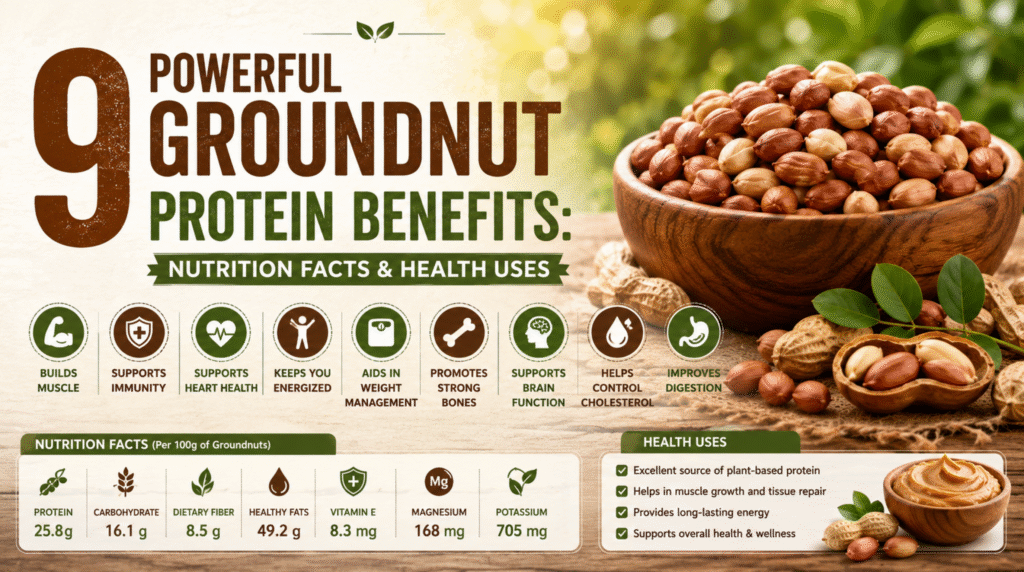
Here’s the approximate nutritional profile of 100 grams of raw groundnuts:
| Nutrient | Amount per 100g | Health Contribution |
|---|---|---|
| Calories | 567 kcal | Provides sustained energy |
| Protein | 25–26 g | Supports muscle growth and repair |
| Total Fat | 49 g | Contains healthy unsaturated fats |
| Carbohydrates | 16 g | Source of energy |
| Dietary Fiber | 8–9 g | Promotes digestive health |
| Magnesium | 168 mg | Supports nerve and muscle function |
| Potassium | 705 mg | Helps regulate blood pressure |
| Vitamin E | 8.3 mg | Acts as an antioxidant |
| Folate | 240 mcg | Important for cell growth |
| Niacin (Vitamin B3) | 12 mg | Supports metabolism and brain health |
9 Powerful Groundnut Protein Benefits
1. Supports Muscle Growth and Recovery
Protein serves as the building block for muscles. With approximately 25 grams of protein per 100 grams, groundnuts can contribute to muscle repair and maintenance, especially for physically active individuals and those following vegetarian diets.
While groundnuts shouldn’t completely replace diverse protein sources, they can certainly complement a balanced diet aimed at supporting strength and recovery.
2. Helps Keep You Fuller for Longer
The combination of protein, healthy fats, and dietary fiber in groundnuts promotes satiety. Many people find that including a moderate serving of groundnuts between meals helps reduce unnecessary snacking and cravings.
This can be particularly beneficial for individuals working toward healthy weight management goals.
3. Supports Heart Health
Groundnuts contain predominantly monounsaturated and polyunsaturated fats, which may help support healthy cholesterol levels when consumed as part of a balanced diet.
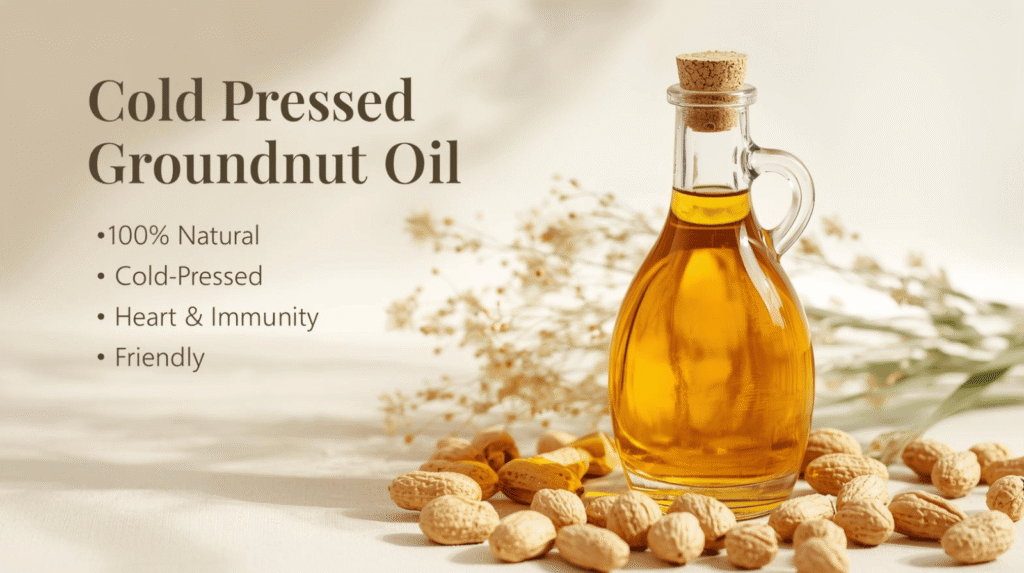
Using My V Naturals Cold Pressed Groundnut Oil in everyday cooking can be one way to incorporate these beneficial fats into traditional Indian meals while preserving natural nutrients through minimal processing.
4. Provides Long-Lasting Energy
Unlike foods that provide quick bursts of energy followed by crashes, the balanced nutrient profile of groundnuts supports sustained energy release. This is one reason why groundnuts have traditionally been valued by laborers, athletes, and busy professionals alike.
5. Contributes to Better Digestive Health
Dietary fiber plays a key role in maintaining healthy digestion. Groundnuts provide fiber that may help support regular bowel movements and contribute to gut health when consumed alongside adequate fluid intake.
6. Rich Source of Important Micronutrients
Groundnuts supply several essential nutrients including magnesium, phosphorus, folate, niacin, and vitamin E. These nutrients collectively support metabolic processes, nervous system function, and antioxidant protection.
Recommended Daily Groundnut Intake by Age Group
While groundnuts are nutritious, portion control remains important due to their calorie density.
| Age Group | Recommended Serving | Approximate Protein Contribution |
|---|---|---|
| Children (4–8 years) | 15–20 g (with supervision) | 4–5 g protein |
| Adolescents (9–18 years) | 20–30 g | 5–8 g protein |
| Adults (19–50 years) | 28–30 g (1 handful) | 7–8 g protein |
| Older Adults (50+ years) | 20–30 g | 5–8 g protein |
| Physically Active Individuals | 30–40 g (within calorie needs) | 8–10 g protein |
7. May Support Healthy Blood Sugar Management
Groundnuts have a relatively low glycemic impact compared to many processed snacks. Their combination of protein, healthy fats, and fiber may help slow digestion and support more stable energy levels throughout the day. People with diabetes can often include moderate portions of unsalted groundnuts as part of a balanced meal plan. However, individual dietary requirements vary, so it’s advisable to consult a healthcare professional or registered dietitian for personalized guidance.
8. Supports Brain and Nervous System Function
Groundnuts provide niacin (Vitamin B3), magnesium, and healthy fats, nutrients that contribute to normal nervous system function and overall brain health. Including a variety of nutrient-dense foods, including groundnuts, can help support cognitive well-being over time.
9. Budget-Friendly Plant Protein for Indian Families
One of the greatest strengths of groundnuts is their accessibility. Unlike expensive protein powders or imported health foods, groundnuts offer quality nutrition at a fraction of the cost. For families looking to improve protein intake without stretching their monthly budget, groundnuts remain one of India’s most practical nutritional choices.
Groundnut Consumption Recommendations Based on Health Conditions
The right amount of groundnuts varies depending on individual health goals and medical conditions. The following table offers general guidance.
| Health Condition | Can Groundnuts Be Included? | Recommended Intake | Important Considerations |
|---|---|---|---|
| Weight Management | Yes | 20–30 grams daily | Choose roasted or plain groundnuts without added sugar or excess salt. |
| Diabetes | Generally Yes | 20–30 grams with meals | Monitor overall carbohydrate intake and seek medical advice for personalized recommendations. |
| Heart Health Support | Yes | 25–30 grams daily | Prefer unsalted groundnuts and cold-pressed groundnut oil. |
| Muscle Building | Yes | 30–40 grams daily | Combine with other protein-rich foods for balanced amino acid intake. |
| Pregnancy | Generally Yes* | 20–30 grams daily | Unless advised otherwise by a healthcare provider or allergy concerns exist. |
| Kidney Disease | Use with Caution | Consult healthcare provider | Potassium and phosphorus restrictions may apply. |
| Peanut Allergy | No | Avoid completely | Seek immediate medical attention for allergic reactions. |
How to Enjoy Groundnut Nutrition Naturally
Nutrition isn’t only about counting grams of protein. It’s also about choosing foods prepared with care and minimal processing.
-
Simple Ways to Include Groundnut Protein in Your Diet
- Add roasted groundnuts to evening snacks.
- Prepare homemade peanut chutney alongside breakfast dishes.
- Sprinkle crushed groundnuts over salads and vegetable preparations.
- Cook traditional recipes using My V Naturals Cold Pressed Groundnut Oil.
- Use premium-quality groundnut seeds to prepare healthy snack mixes.
- Blend groundnuts into smoothies for an additional protein boost.
Frequently Asked Questions About Groundnut Protein Benefits
The following questions are inspired by commonly discussed topics on platforms like Quora, Reddit, and health communities, combined with evidence-based nutritional guidance.
1. Is groundnut protein enough for muscle building?
Groundnuts provide a good amount of plant protein and can contribute to muscle maintenance and recovery. However, relying solely on groundnuts may not provide all essential amino acids in optimal amounts. Combining groundnuts with legumes, dairy products, soy foods, or other protein sources supports a more balanced protein intake.
2. Are groundnuts healthier than protein supplements?
Groundnuts offer whole-food nutrition, including fiber, healthy fats, vitamins, and minerals that many supplements lack. Protein powders can be useful for convenience or higher protein requirements, but whole foods should remain the foundation of a healthy diet whenever possible.
3. Can I eat groundnuts every day?
For most healthy individuals without peanut allergies, moderate daily consumption of groundnuts can be part of a balanced diet. A serving of approximately 28–30 grams (one handful) is often suitable for adults.
4. Are roasted groundnuts healthier than fried groundnuts?
Dry roasted or lightly roasted groundnuts are generally preferable because they contain fewer added fats. Fried varieties may significantly increase calorie intake depending on preparation methods.
5. Is groundnut protein beneficial for weight loss?
Groundnuts can support weight management by promoting fullness through their protein, fiber, and healthy fat content. Portion control remains essential because groundnuts are calorie-dense.
6. Do groundnuts increase cholesterol?
Plain groundnuts contain predominantly unsaturated fats, which may support healthy cholesterol levels when included in a balanced diet. Excessive consumption of heavily salted or processed peanut products may not offer the same benefits.
7. Is cold pressed groundnut oil a better choice for cooking?
Cold pressed groundnut oil undergoes minimal processing compared to refined oils. Many consumers choose it because traditional extraction methods may help preserve natural compounds and flavor characteristics.
8. Can children eat groundnuts regularly?
Children without peanut allergies can enjoy age-appropriate portions of groundnuts. Younger children should receive groundnuts in forms that reduce choking risk, such as peanut paste or finely crushed preparations.
Simple High-Protein Groundnut Snack Ideas
- Roasted groundnuts with jaggery.
- Groundnut chutney served with idli or dosa.
- Homemade trail mix with groundnuts, seeds, and dried fruits.
- Groundnut and banana smoothie for post-workout recovery.
- Vegetable stir-fries prepared using Cold Pressed Groundnut Oil.
- Groundnut laddus made with natural sweeteners.
The Bottom Line
Sometimes, the best nutritional choices aren’t hidden behind complicated labels or premium price tags. Groundnuts have quietly nourished generations of Indian families, providing affordable protein, healthy fats, and essential nutrients long before the modern wellness industry recognized their value. Whether your goal is improving daily protein intake, supporting heart health, managing hunger between meals, or simply embracing wholesome traditional foods, groundnuts deserve a place in your kitchen. Choosing quality products such as My V Naturals Cold Pressed Groundnut Oil and premium groundnut seeds allows you to enjoy these nutritional benefits while staying connected to time-tested dietary practices. Good nutrition often starts with simple choices made consistently. A handful of groundnuts may be one of those small habits that contributes positively to your overall well-being.
Medical Disclaimer
The information provided in this article is intended for educational and informational purposes only and should not be considered medical advice. Nutritional needs vary based on age, health status, medications, and individual circumstances. Always consult your physician, registered dietitian, or qualified healthcare professional before making significant dietary changes, especially if you have diabetes, kidney disease, food allergies, or other medical conditions. Individuals with peanut allergies should avoid groundnuts and groundnut-based products completely.
Few Answers
- How much protein is in groundnuts? Approximately 25–26 grams per 100 grams.
- Can groundnuts help with weight management? Yes, when consumed in moderation.
- Are groundnuts suitable for vegetarians? Yes, they are an excellent plant-based protein source.
- Can diabetics eat groundnuts? Often yes, but portion control and medical guidance are important.
- Is cold pressed groundnut oil healthy? Many people prefer it due to minimal processing methods.