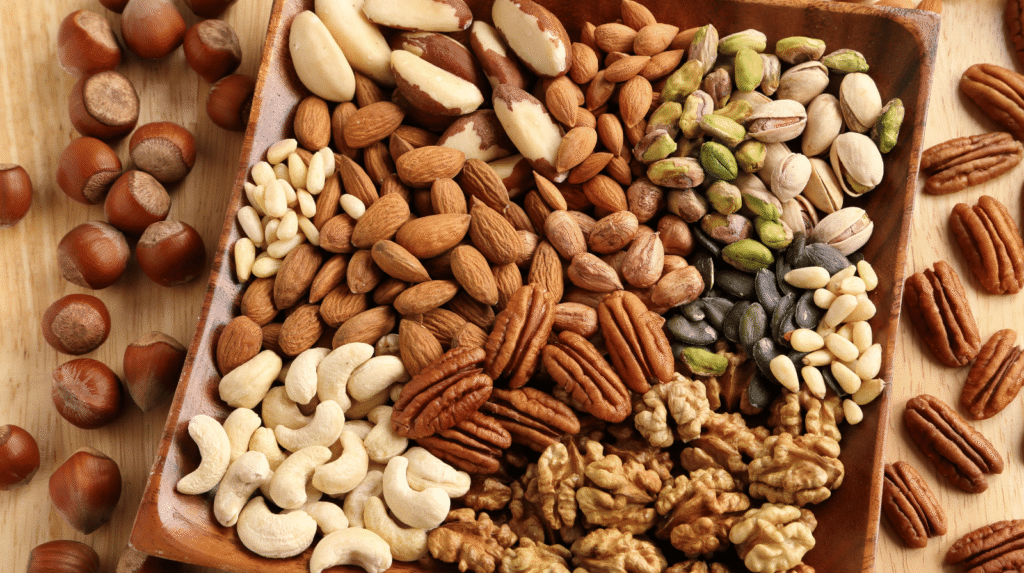

Introduction: Unlocking the Appeal of the Beloved Cashew Nut
The cashew nut, with its distinctive kidney shape and delicate, creamy flavor, is a globally cherished ingredient. It holds a prominent place in snack bowls, culinary creations, and plant-based diets alike. Yet, beyond its immediate appeal lies a fascinating story of botanical peculiarity, historical migration, and profound nutritional value. This crescent-shaped seed is far more than a simple snack; it is a nutritional powerhouse and a testament to nature’s intricate design, originating from a tropical evergreen tree with a unique and complex anatomy.
A Global Favorite: Why Cashews Captivate Taste Buds
The allure of the cashew is multifaceted. Its rich, buttery texture and mildly sweet taste make it exceptionally versatile. Unlike the more assertive flavors of walnuts or almonds, the cashew’s subtlety allows it to complement both savory and sweet dishes without overpowering them. This adaptability has cemented its status as a staple in cuisines worldwide, from the rich curries of India to the innovative vegan cheeses of Western kitchens. As a standalone snack, whether roasted, salted, or raw, it offers a satisfying crunch and a rich mouthfeel that is both comforting and indulgent.
What to Expect: A Comprehensive Journey into the World of Cashews
This article provides a comprehensive exploration of the cashew nut. We will journey from its botanical origins in the tropics to its current status as a global commodity. We will dissect its unique anatomy, from the vibrant cashew apple to the prized kernel within. Furthermore, we will delve into its detailed nutritional profile, uncover the science-backed health benefits it offers, explore its vast culinary applications, and provide practical guidance on selecting and storing cashews to preserve their quality and flavor.
Understanding the Cashew: Botanical Background and Origins
To truly appreciate the cashew, one must understand its unique place in the plant kingdom and its remarkable journey across continents.
More Than Just a Nut: A Botanical Deep Dive
The cashew ‘nut’ is botanically a seed, which grows inside a hard shell attached to the bottom of the fleshy cashew apple.
Despite its common classification, the cashew is not a true botanical nut. It is, in fact, the seed of a drupe that grows on the Anacardium occidentale tree, a member of the sumac family which also includes mangoes and pistachios. The tree itself is a tropical evergreen that can grow up to 14 meters tall, thriving in warm, humid climates. The part we consume is a single seed housed within a hard, kidney-shaped shell that hangs at the bottom of a fleshy, pear-shaped accessory fruit known as the cashew apple. This unusual arrangement makes the cashew a botanical curiosity and sets it apart from true nuts like hazelnuts or chestnuts, which are the complete fruit of the plant.
The Unique Anatomy of the Cashew: From Fruit to Kernel
The structure of the cashew is complex, consisting of three distinct parts: the cashew apple, the shell, and the edible kernel.
The Cashew Apple (Cashew Fruit): A Forgotten Delicacy
Attached to the top of the cashew shell is the cashew apple, a brightly colored (red or yellow) pseudo-fruit. This fleshy, pear-shaped structure is not a true fruit but rather the swollen stalk, or peduncle, of the cashew flower. The cashew apple is juicy and sweet with a distinct astringent taste. While highly perishable and thus rarely seen outside of its growing regions, it is used locally to make jams, juices, and fermented beverages. Its high vitamin C content makes it a nutritious, albeit secondary, product of the cashew tree.
The Cashew Nut Shell: Nature’s Protective Barrier
The cashew seed, or what we call the nut, is encased in a double-layered shell. This shell contains a potent, caustic phenolic resin known as cashew nut shell liquid (CNSL), which includes anacardic acid. This substance is a powerful skin irritant, similar to the oil found in poison ivy. This is why cashews are never sold in their shells to consumers. The processing of raw cashews is an intricate, labor-intensive task that involves roasting or steaming the shell to neutralize the toxic liquid before the kernel can be safely extracted.
The Edible Cashew Kernel: The Treasure Within
Once meticulously extracted from its protective shell, the kidney-shaped kernel is the prize. This is the cashew nut known and loved worldwide. It has a thin, papery skin (the testa) that is typically removed before packaging. The kernel’s firm yet tender texture and rich, creamy flavor are the result of its high content of oils, primarily healthy unsaturated fats, which contribute to its culinary versatility and nutritional benefits.
The Nutritional Powerhouse: A Detailed Profile of Cashew Nuts
Cashews offer a dense concentration of essential nutrients, making them a valuable addition to a balanced diet.
Macronutrients for Sustained Energy and Building Blocks
Cashews are calorically dense, providing substantial energy primarily from fats and protein. A 1-ounce (28g) serving contains approximately 157 calories. The majority of its fat content consists of heart-healthy monounsaturated and polyunsaturated fats, including oleic acid—the same beneficial fat found in olive oil. Cashews are also a good source of plant-based protein, offering about 5 grams per ounce, which is crucial for muscle repair and overall bodily function. Their carbohydrate content is relatively low, and they provide dietary fiber, which aids in digestion and promotes a feeling of fullness.
Essential Vitamins and Minerals for Optimal Health
Where cashews truly excel is in their micronutrient profile. They are an exceptional source of essential minerals. They are particularly rich in copper, which is vital for energy production, iron metabolism, and the formation of red blood cells. They also provide a significant amount of magnesium, crucial for over 300 enzymatic reactions in the body, including nerve function, blood pressure regulation, and bone health. Other key minerals found in abundance include manganese, phosphorus, zinc, and selenium, each playing a critical role in maintaining optimal physiological function.
Antioxidants and Phytochemicals: Protecting Your Cells
Cashews contain a variety of powerful antioxidants, including polyphenols and carotenoids. These compounds help neutralize harmful free radicals in the body, reducing oxidative stress and lowering the risk of chronic diseases. The anacardic acid found in the shell, while caustic in its raw form, is being studied for its potential antioxidant and anti-inflammatory properties in processed forms, though the kernel itself contains much lower levels of these compounds.
The Science-Backed Health Benefits of Cashew Nuts
Regular, moderate consumption of cashews is associated with a wide range of scientifically supported health benefits.
Supporting Cardiovascular Health
The high concentration of monounsaturated and polyunsaturated fats in cashews contributes significantly to heart health. These healthy fats can help lower levels of “bad” LDL cholesterol and triglycerides while potentially raising “good” HDL cholesterol levels. Furthermore, the magnesium in cashews plays a role in regulating blood pressure, which is a key factor in cardiovascular disease prevention.
Aiding in Weight Management
Despite being high in calories, nuts like cashews can be beneficial for weight management when consumed as part of a balanced diet. The combination of protein, fiber, and healthy fats promotes satiety, helping to reduce overall calorie intake by keeping you feeling full longer. Some research also suggests that the body may not absorb all the calories from nuts, as a portion of the fat remains trapped within the nut’s fibrous wall during digestion.
Boosting Bone Health and Mineral Density
Cashews are rich in minerals that are essential for building and maintaining strong bones. Copper plays a vital role in maintaining collagen and elastin, key structural components of bone and joints. Magnesium is also a structural component of bone and is necessary for calcium absorption. A deficiency in either of these minerals can be linked to a higher risk of osteoporosis.
Contributing to Blood Sugar Regulation
For individuals managing or at risk for type 2 diabetes, cashews can be a smart dietary choice. They are low in carbohydrates and have a minimal impact on blood sugar levels. The fiber and healthy fats they contain help slow the absorption of sugar into the bloodstream, preventing sharp spikes. Moreover, magnesium is known to play a role in insulin sensitivity, which is critical for effective blood sugar control.
Enhancing Immunity and Reducing Inflammation
The zinc found in cashews is crucial for the development and function of immune cells. Adequate zinc intake is essential for a robust immune system capable of fighting off pathogens. Additionally, the antioxidants and healthy fats present in cashews possess anti-inflammatory properties, which can help reduce chronic inflammation throughout the body, a known contributor to numerous diseases.
Supporting Brain Function and Energy Production
The brain relies on a steady supply of healthy fats to function optimally. The fatty acids in cashews support cognitive processes and brain health. Additionally, the high copper and magnesium content is instrumental in energy production at a cellular level. Copper is essential for enzymes that produce energy, while magnesium helps convert food into usable energy, combating fatigue and supporting mental clarity.
From Kitchen Staple to Gourmet Ingredient: Culinary Uses of Cashews
The mild flavor and creamy texture of cashews make them one of the most versatile nuts in the culinary world. Globally, cashews rank as the second most consumed tree nut after almonds, highlighting their universal appeal.
Snacking and Everyday Enjoyment
The simplest way to enjoy cashews is as a snack. Whether raw, roasted, salted, or flavored, they provide a satisfying and nutrient-dense option. They are a popular component in trail mixes and nut blends, offering a creamy counterpoint to crunchier nuts and dried fruits. The increasing trend towards healthier snacking has boosted their popularity, particularly in markets like the United States, which was the
Versatile in Savory Dishes
In savory cooking, cashews add texture and richness. Whole or chopped, they are a common ingredient in Asian stir-fries and noodle dishes. In Indian cuisine, cashew paste is used as a base for thickening rich, creamy curries like korma. Crushed cashews can also be used as a gluten-free crust for fish or chicken, providing a delicious crunch when baked or pan-fried.
Creamy Delights: Cashew-Based Alternatives
One of the most transformative uses of cashews is in creating dairy-free alternatives. When soaked and blended, cashews break down into a remarkably smooth and creamy base. This makes them ideal for producing vegan cream cheese, sour cream, creamy pasta sauces, and rich, decadent ice cream. Their neutral flavor allows them to absorb other seasonings, making them a perfect canvas for plant-based culinary innovation.
Decadent Desserts and Baked Goods
In the world of baking and desserts, cashews are a prized ingredient. They can be ground into a flour for gluten-free baked goods or incorporated whole or chopped into cookies, brownies, and energy bars. Cashew butter is a popular alternative to peanut butter, and they are a key ingredient in many raw vegan desserts, often forming the creamy base for cheesecakes and tarts.
Choosing, Storing, and Enjoying Cashews Safely
To get the most out of your cashews, it’s important to select high-quality products and store them correctly.
Navigating Cashew Varieties and Grades
Cashews are graded based on their size, color, and whether they are whole or broken. “White Wholes” are considered the premium grade, with designations like W-180 (the largest size) down to W-450. Broken pieces are also sold and are often more economical for use in recipes where the whole nut is not required, such as for making cashew butter or cream.
Ensuring Freshness and Quality
Due to their high oil content, cashews can become rancid if not stored properly. When buying in bulk, ensure the cashews have a fresh, nutty aroma and are not shriveled or discolored. At home, store them in an airtight container in a cool, dark place like a pantry. For longer-term storage, they can be refrigerated for up to six months or frozen for up to a year without significant loss of quality.
Conclusion
The cashew nut is a remarkable food, defined by its botanical uniqueness, nutritional density, and exceptional culinary flexibility. From its origins as a seed attached to a tropical fruit in Brazil to its status as a multi-billion dollar global commodity, the cashew has proven its value time and again. Its rich profile of healthy fats, essential minerals, and protein underpins a wide array of health benefits, from supporting cardiovascular and bone health to aiding in blood sugar management.
In the kitchen, its ability to transform from a simple snack into a creamy dairy-free staple or a rich curry base makes it an invaluable ingredient for home cooks and professional chefs alike. By understanding how to choose, store, and creatively incorporate cashews into a balanced diet, you can fully unlock the immense appeal of this beloved seed. Whether enjoyed by the handful or as a key component in a gourmet dish, the cashew nut rightly holds its place as a favorite across the globe.