
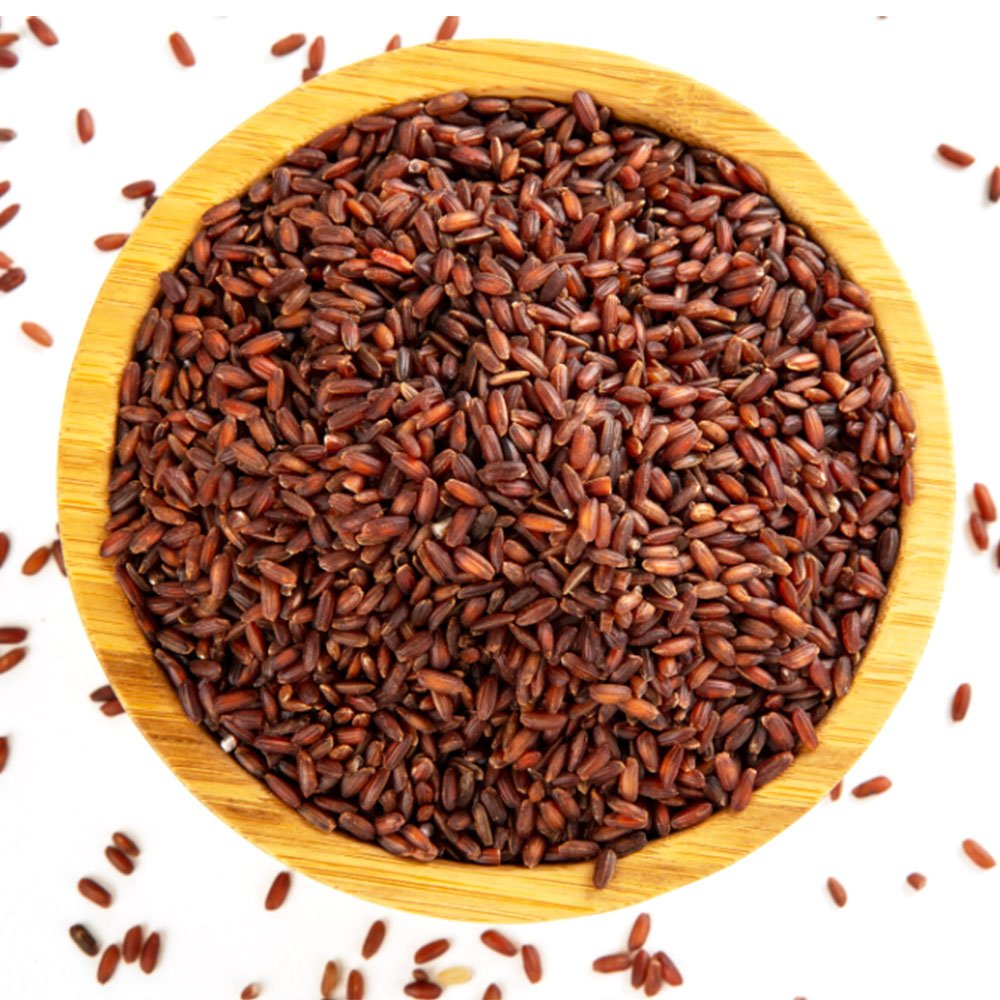
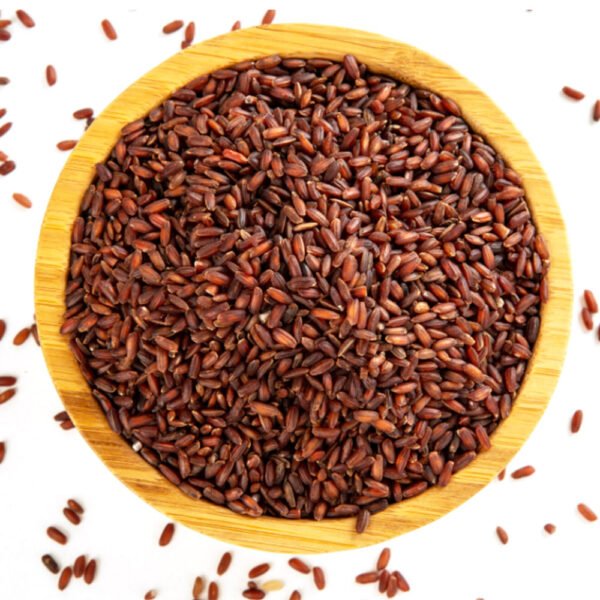
Mappillai Samba Boiled Rice
Organic Mapillai Samba Boiled Rice is a parboiled form of the heritage Tamil red rice variety known locally as மாப்பிள்ளை சம்பா அரிசி. Unlike polished white rice, this traditional grain keeps much of its bran-derived nutrients while offering a soft, separate texture after cooking. People seek it for the mappillai samba rice benefits — improved iron and zinc intake, a moderate glycemic response, and a fuller mouthfeel that pairs well with dals, vegetables and light gravies.
The Story Behind name “Bridegroom Rice”
The Tamil name Mapillai Samba literally means “bridegroom rice” (மாப்பிள்ளை = bridegroom). In Tamil Tradtion, this rice was fed to grooms before weddings for strength and stamina; the grain became associated with energy and resilience. Grown for centuries in Tamil Nadu districts such as Madurai, Thanjavur and Salem, it is one of the best-known traditional rice varieties of Tamil Nadu. Local farmers traditionally used low-input, organic practices — which is why today’s organic mappillai samba rice still carries that rustic, soil-driven flavour and mineral richness.
Varieties & Forms (raw vs parboiled vs unpolished)
You will mostly find Mapillai Samba in three forms:
- Raw Mapillai Samba: Sun-dried and raw-milled. It has an intact bran and a chewier bite; excellent when used for fermented batters or long-simmered dishes.
- Parboiled / Boiled Mapillai Samba (Mapillai Samba Boiled Rice): Parboiling drives nutrients from the bran into the grain and improves shelf-life and texture. This is the easiest form for daily cooking and the one we feature on MyV Naturals.
- Unpolished / Semi-brown: Part of the bran is retained; the taste is nuttier and fiber content is higher — a middle ground between raw and fully milled rice.
If you’re comparing raw mappillai samba vs parboiled mappillai samba, choose raw when you plan to ferment or slow-cook; choose parboiled if you want quicker, fluffier results with better nutrient retention.
Nutrition facts of Mappilai Samba Boiled Rice
Below is a representative nutrition table for Organic Mapillai Samba Boiled Rice. Values are approximate and can vary by farm and milling method.
| Nutrient | Per 100 g | Why it matters |
|---|---|---|
| Calories | 340–360 kcal | Provides steady energy from complex carbohydrates |
| Protein | 8–9 g | Supports muscle repair and recovery |
| Dietary fiber | 2.5–4.0 g | Helps digestion and blood sugar regulation |
| Iron | 2.5–4.0 mg | Supports red blood cell production, helps prevent anemia |
| Zinc | 1.5–3.0 mg | Important for immunity and wound healing |
| Calcium | 10–18 mg | Minor bone health support |
| Magnesium | 35–60 mg | Muscle and nerve function |
| Anthocyanins / Antioxidants | Present (trace to moderate) | May reduce oxidative stress |
| Glycemic Index (typical) | ~55–60 (Moderate) | Slower glucose release vs polished white rice |
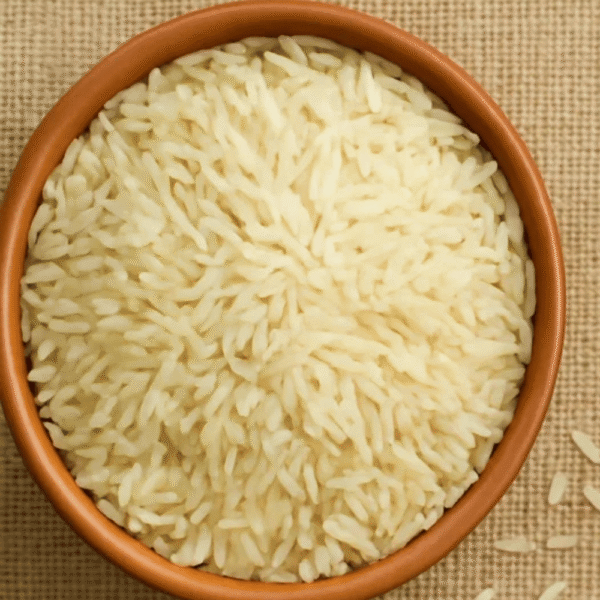
Compared to polished white rice, red rice vs white rice nutrition shows higher minerals and antioxidants — a key reason many families switch to Mapillai Samba as a weekly staple.
how to identify original mappillai samba rice
Who Benefits Most from Mappillai Samba Rice?
1.Working Men & Athletes
Working professionals and athletes need sustained energy due to long working hours, physical labor, or intense training.
How Mappillai Samba helps:
-
Complex carbohydrates → slow and steady energy release
-
Iron and essential minerals → reduces muscle fatigue
-
High fiber → maintains stable stamina throughout the day
Perfect for people with long work hours, physically demanding jobs, and sports training who need steady energy and physical endurance.
2. Gym and Fitness Enthusiasts
Many gym-goers depend heavily on supplements. Mappillai Samba offers a natural alternative.
Functional benefits:
-
Provides natural energy for workouts
-
Supports muscle recovery through minerals
-
Supplies calories without sudden sugar spikes
Rice-based pre-workout or post-workout meals.
3.People with Diabetes (with Medical Advice)
Common diabetic concerns include:
-
Sudden blood sugar spikes
-
Frequent hunger fluctuations
Why Mappillai Samba is suitable:
-
Low Glycemic Index (GI)
-
High fiber slows glucose absorption
-
Helps reduce insulin stress
Mappillai Samba is considered a safer red rice option when eaten in moderation and as advised by a doctor, particularly for individuals with diabetes or specific dietary needs.
4.Traditional Healthy Diets
Best suited for those who prefer natural, chemical-free, traditional foods.
Its value:
-
Unpolished whole grain rice
-
No artificial processing
-
Aligns with Siddha and Ayurveda dietary principles
Perfect for Perfect for clean eating and Indian traditional lifestyle followers.
5.Children and Elderly (with Proper Cooking)
For kids and elders, the focus is on:
-
Easy digestion
-
Better nutrient absorption
Why cooking method matters:
-
Soaking (8–10 hours) increases softness
-
Pressure cooking or slow cooking makes it easy to chew
-
Small portions help safe digestion
Mappillai Samba rice is nutritious and suitable for both children and the elderly, supporting daily energy and digestion.
How to cook Organic Mapillai Samba Rice
Cooking pure mappillai samba Boiled Rice is straightforward. Because it is parboiled, it needs slightly longer soaking and a little more water than polished rice. Soaking improves texture and reduces cooking time. Below is a quick method; follow our detailed guide for step-by-step and tips.
Quick method
- Soak 1 cup rice in water for 4–5 hours.
- Drain and rinse. Use ~3.5 cups water for 1 cup rice in a pot, or 3 cups in a pressure cooker.
- Cook until grains are tender (25–30 minutes on stovetop, or 4–5 whistles in pressure cooker). Rest 10 minutes and fluff with a fork.
Delicious Mapillai Samba Receipes
Here are simple, satisfying recipes that highlight the flavour and texture of Mapillai Samba Boiled Rice:
- Curd Rice with Tempered Mustard & Curry Leaves: Use cooled cooked organic mapillai samba rice mixed with fresh yogurt, salt and a tempering of mustard, urad dal and curry leaves.
- Traditional Pongal: Combine rice and moong dal, slow-cooked with ghee and black pepper for a restorative meal.
- Lemon Rice (Elumichai Sadam): Toss steamed rice with lemon, peanuts, turmeric and curry leaf seasoning for a bright lunchbox dish.
- Vegetable Biryani: Layer cooked Mapillai Samba with spiced vegetables and whole spices for an aromatic, textured biryani.
- Sakkarai Pongal (Sweet Jaggery Pongal): A festive sweet made by cooking rice and moong dal with jaggery and ghee.
- Puliyodarai (Tamarind Rice): Tangy, spice-fried rice that stores well — ideal for travel or lunch boxes.
- Rice Upma with Coconut: Light breakfast upma made by dry-roasting rice and cooking with vegetables and coconut.
- Mapillai Samba Kanji (Porridge): Slow-cooked thin porridge recommended for children and recovering elders; add mung dal for protein.
Where to Buy
If you wonder where to buy mappillai samba rice online India, MyV Naturals stocks small-batch organic Mapillai Samba Boiled Rice direct from farmers. Typical mappillai samba rice price per kg ranges from ₹120 to ₹180 per kg depending on certification (organic vs conventional), milling level and packaging. Buying direct or in larger quantities often lowers the per-kg cost and guarantees fresher stock.
FAQs about Mappilai Samba Boiled Rice
- Is Organic Mapillai Samba rice suitable for diabetics?
- Yes — its moderate glycemic index and higher fiber make it a better option than polished white rice when eaten in controlled portions and paired with protein or fiber.
- Do I need to soak Mapillai Samba?
- Soaking for 3–5 hours is recommended. It shortens cooking time and improves texture.
- Can Mapillai Samba be used for idli/dosa?
- Yes, many households use a proportion of Mapillai Samba in idli or dosa batter for a wholesome flavour — usually mixed with parboiled rice and urad dal.
- How long does it keep?
- Stored in an airtight container in a cool, dry place, it keeps well for several months. Refrigeration extends shelf life further.
- Is it gluten-free?
- Yes — Mapillai Samba is a naturally gluten-free grain.
- Does parboiled mean less nutritious?
- No — parboiling often preserves nutrients by moving some bran nutrients into the grain; it can make the rice more nutritious than poorly-milled white rice.
Still Thinking….
If you’re looking for a rice that combines tradition, nutrition, and taste — Mappillai Samba Boiled Rice is the perfect pick. It’s not just food; it’s a story of Tamil heritage, soil wisdom, and natural vitality.
Try incorporating this ancient grain into your weekly meals — start with curd rice or Pongal, and you’ll instantly notice the energy and lightness it brings.
Order 100% Organic Mapillai Samba Boiled Rice from MyV Naturals and reconnect with the strength of your roots — one meal at a time.
Reviews
There are no reviews yet.